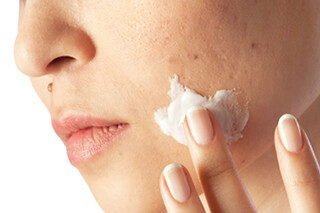

Chemical peels are one of the most versatile and effective treatments in modern dermatology. From dullness and pigmentation to acne and fine lines, a well-chosen peel can refresh and rejuvenate your skin – safely and with minimal downtime.
What Is a Chemical Peel?
A chemical peel is a treatment in which a solution is applied to the skin to gently exfoliate the outer layers. As the old, damaged skin sheds, it reveals smoother, brighter, and more even-toned skin underneath. Peels are customised to your skin type and concern.
Benefits of Chemical Peels
- Brighter, more radiant complexion
- Improved skin texture and tone
- Reduced pigmentation and dark spots
- Help with active acne and acne marks
- Softened appearance of fine lines
- Boost to overall skin health

Types of Chemical Peels
Peels are broadly grouped by how deeply they work:
- Superficial peels – gentle, for brightening and mild concerns, with little to no downtime
- Medium peels – for pigmentation, acne marks, and uneven texture
- Deeper peels – for more significant concerns, performed under careful supervision
What to Expect
During treatment you may feel a mild tingling sensation. Afterwards, the skin may appear slightly red and then gently flake over a few days as it renews. Most peels are performed as a course for the best, most natural-looking results.
Aftercare Matters
- Follow your dermatologist’s aftercare instructions closely
- Use a gentle cleanser and moisturiser
- Apply sunscreen daily – this is essential after a peel
- Avoid picking or peeling the skin yourself
A consultation will help determine which peel is right for your skin and goals.
This article is for general information only and is not a substitute for professional medical advice. For a diagnosis and treatment plan suited to your skin, please book a consultation with Dr. Arpita Mahanaik at Saavi Clinic.